Adding electrical circuits for new appliances
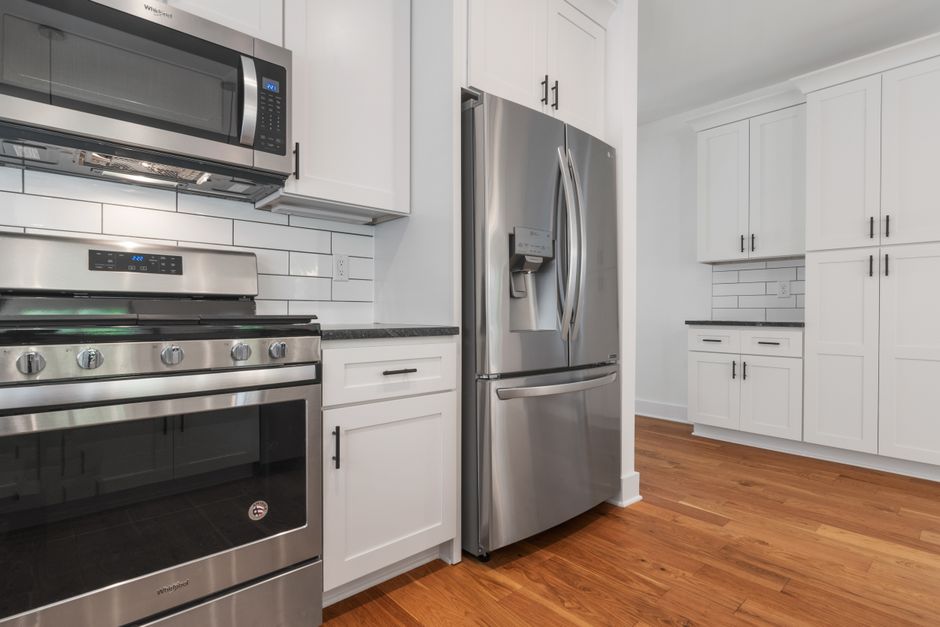
The new oven is supposed to plug into the old outlet. Often there is no outlet that can carry it. The breakdown sitting on irvine kitchen remodelers pink patisserie lists the circuits a remodeled kitchen in Irvine, CA usually needs, in the order the electrician checks them, starting with the panel and ending with the receptacles above the counter.
Start at the panel
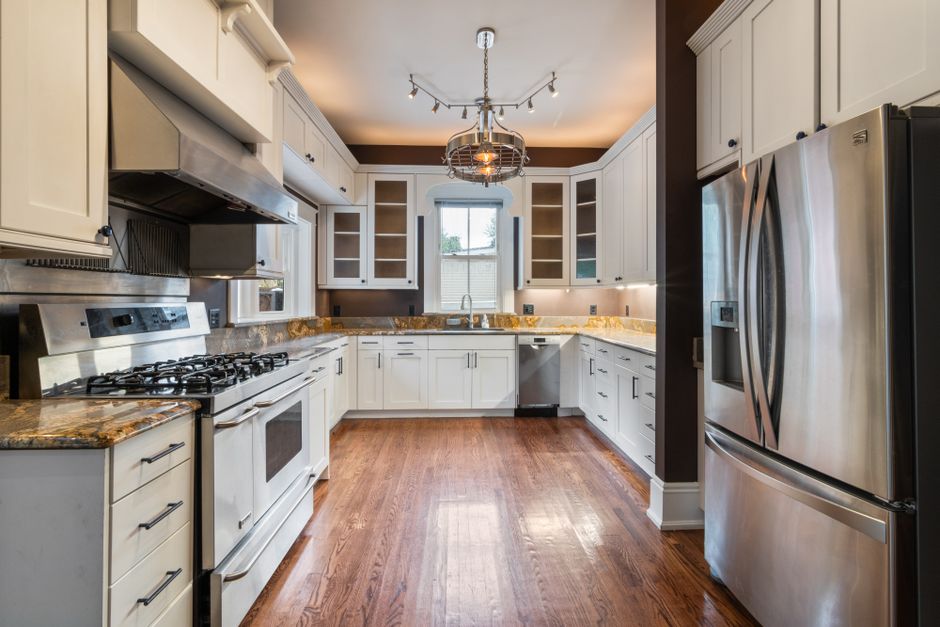
Before any appliance is chosen, someone has to open the panel and read it. The main breaker size, the number of open slots, and the condition of the busbar all set the limit. A house from the early Irvine Ranch development years may carry a panel that was sized for a much smaller kitchen, and adding an oven, a dishwasher and a disposal can push it past what it was built for.
Circuits that stand alone
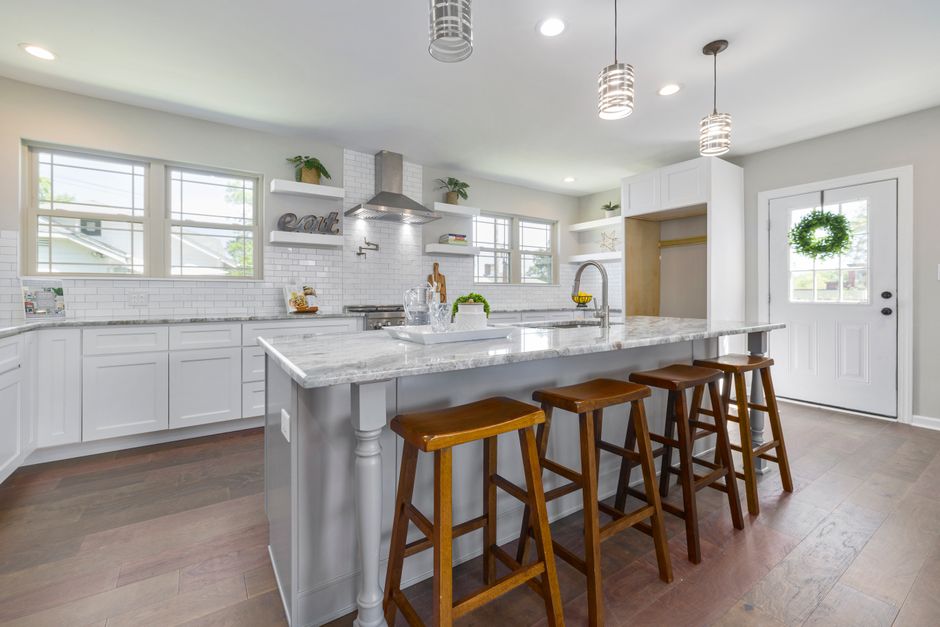
The range or cooktop and wall oven need dedicated circuits at a higher voltage. The dishwasher, the disposal, the microwave and the refrigerator each get a line of their own, and the code asks for at least two small appliance circuits serving the counter outlets. Sharing a circuit between a microwave and a toaster is how breakers trip in the middle of dinner.
Older wiring in the walls
Homes in Woodbridge and Northwood from the first building waves can have aluminum branch wiring in some cases, or cable with brittle insulation near the old range. When a wall is opened for cabinets, that cable is visible and can be judged on the spot. Splicing new copper onto aging runs needs approved connectors, not a twist and a strip of tape.
GFCI and AFCI protection
Counter receptacles need ground fault protection, and many kitchen circuits now need arc fault protection as well. Those devices live in the panel as breakers or in the outlet itself, and they cost more than a plain breaker. A mismatch between the breaker type and the appliance can cause nuisance trips that look like a fault but are really a design problem.
Where the cable runs
On a slab foundation the cable comes down from the attic through the walls. Getting from the panel to an island or a far wall can mean opening drywall in a hallway or garage. Staple spacing, nail plates over studs, and cable that is not stretched tight are the details the inspector in Irvine, CA looks at before the walls are closed.